


Brand analysis consists of primary and secondary research of the brand and the competition as well as research of habits and wishes of the target consumers. During brandstorming with the client and through secondary research we analyze the core strengths and weaknesses of the brand and its competition. By using qualitative research and in-depth interviews with the target group both internal and external, we understand the wishes and habits and of the consumers.
After analyzing the market place and the needs of the consumers, we define the unique position in the market place and in the minds of the consumers that will differentiate the brand from the competitors. Brand positioning is divided into three parts: brand essence (a line that sums up the strengths and the values of the brand that cannot be harmed or weakened by the competition, because they are characteristic to this brand only), brand promise (defining the promise that the brand makes to its target groups) and brand personality (a set of attributes that describe the brand as if it were a person. The personalization of the brand is the path towards creating the emotional connection with the consumers).
We define a set of strategically selected attributes that create the emotional and functional associations in the minds of the consumers. Brand image leads to a clear and unique perception of the brand.
Consumers are segmented according to the demographic and psychographic characteristics. Demographic characteristics define the age, sex, income, education, and nationality while psychographic characteristics define behavior, beliefs, values, needs and lifestyle of consumers. We at Fabular focus on the psychographics as they are more important when defining the brand foundations.
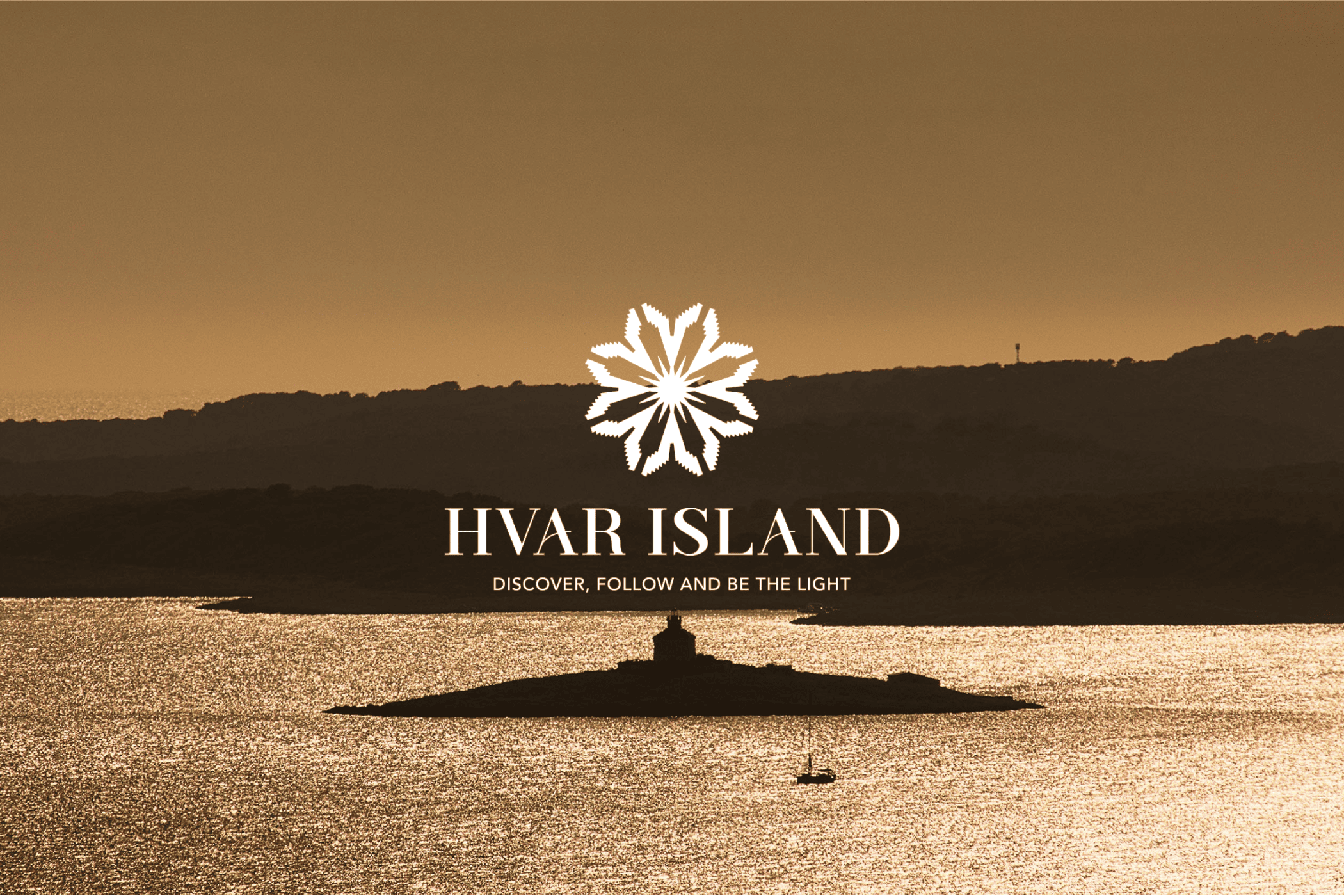
We define a unique brand story with the aim to make consumers motivated to become protagonists of the story. The story is the series of experiences that together involve the consumer on the personal level. The story has to be unique, relevant and impactful on the mind of the consumer.
Brand mood poem is a poem that in a figurative way represents the brand, its meaning and impacts the creation of unique mental images. Mental images describe the brand through metaphors, analogies and other poetic devices.
Brand mood poem presents the brand – its meaning, personality and wider brand context. It is wise to present it through the social media, print ad and brand video – both verbally and visually.
It impacts the creation of mental images, hence it’s a vital part of our video scenario. Brand mood poem enriches the brand with relevant emotional associations.
The names and slogans are created according to the brand strategy, and as the result the name and the slogan project the main associations defined in the brand strategy. The proposed names are tested in several phases.
Along with the brand slogan, we develop a series of messages designed to communicate the brand story and highlight its main advantages in a clever and engaging way. Consistent messages on the brand strategy build stronger and clearer brand recognition that is relevant to the consumer.

Brand touchpoints are points of interaction between the brand and the consumer. These points of interaction introduce the brand to the consumer and narrate the brand story. Packaging, web site, point of sale and communication are the touchpoints between the brand and the consumer. Through practical examples we illustrate possible activities that could narrate the unique brand story.
Brand implementation gives all the necessary steps that are needed and brings forward detailed timeline of the brand touchpoints. This plan helps the client to successfully implement the strategy especially the activities defined in the brand touchpoints. Owing to the defined timeline we can easily plan and monitor the implementation of the activities according to the set implementation plan.
In order to monitor the brand’s growth in the market and in the minds’ of the consumers, we conduct Brand Check once a year. Both the client and Fabular participate in the Brand Check. By continually checking the brand’s health, we are equipped to face the competition and to assure market growth.
Brand Check consists of overseeing the implemented activities, analysis of market trends and competition analysis, analysis of consumer’s habits and wishes.
After conducting the Brand Check we will make further recommendations for the brand in order to strengthen it in the marketplace.

Brand architecture defines the relationship and clarifies the connection between the brands in the portfolio. Brand architecture helps in creating a systematically built company with strictly defined parent brands, sub brands and their mutual relationships. The strictly defined relationships are crucial for the survival of the brand in the market place, for the communication with all the target groups, for all printed materials, packaging, web sites, in other words for the overall brand performance on the market both online and offline.
We create harmonization of visual and verbal identities between the brands in the portfolio if the model of brand architecture requires it. The brands have to be harmonized in order to create a strong harmonized image or perception of the brand portfolio and the individual brands in the portfolio.
Visual identity is created on the basis of the defined brand strategy. On the basis of visual identity, we create a unique logo, which communicates the brand values to the target groups. Design of the corporate applications is done in accordance with the defined visual identity, the logo and the visual regulations defined in the brand book.
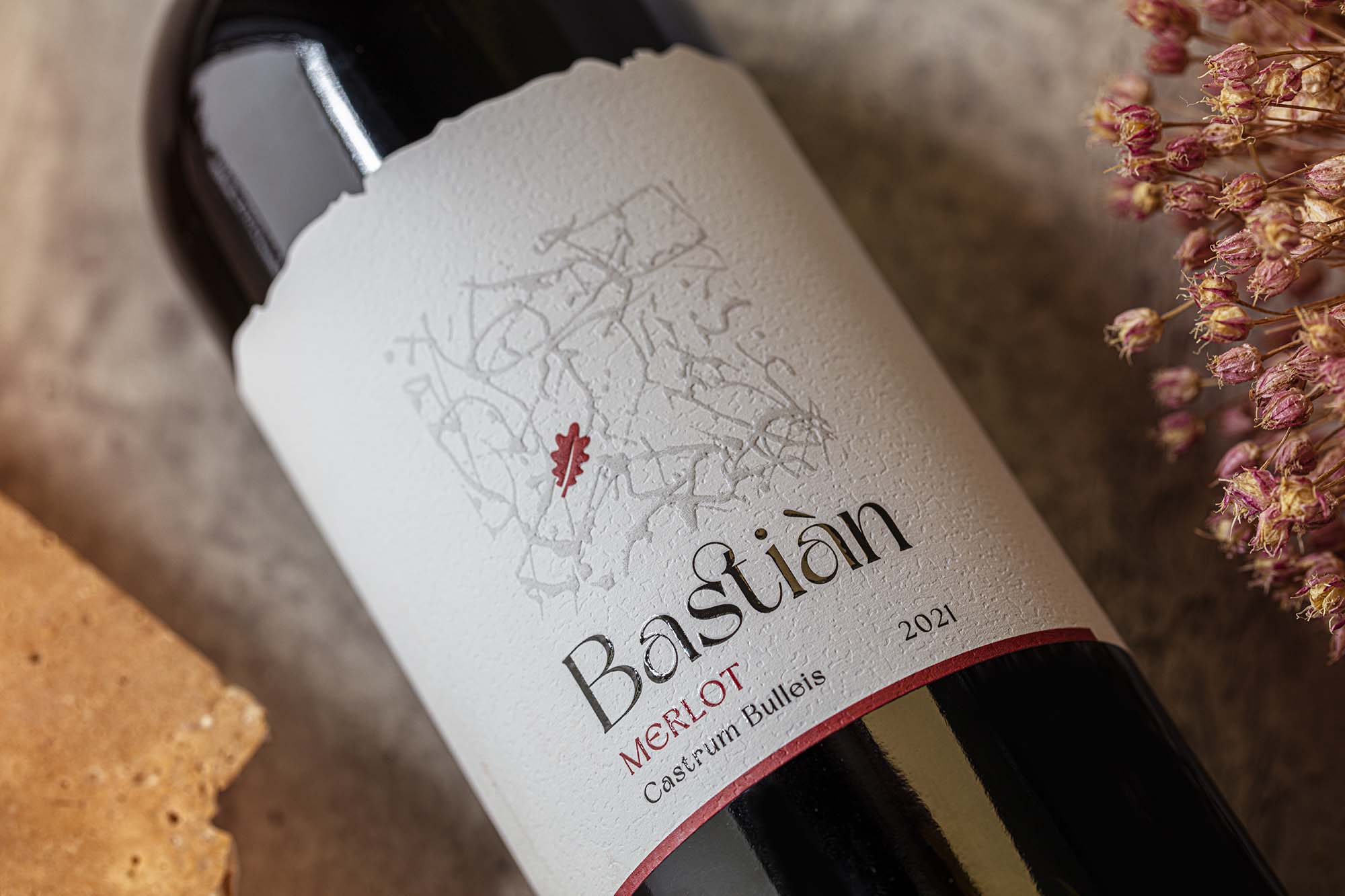
Product and packaging design is created on the basis of the defined brand strategy. Product design includes specifically its shape (e.g. bottle design) and the material specifications (e.g. engraved glass) as well as the design of the label. Packaging design includes the creation of product packaging, primary (external) packaging, name design, “header” design, and secondary packaging, which involves designing the elements on the product itself (label design).
%204_page-0001.jpg)
The web is one of the most important media today for projecting a brand’s values to its target audiences. For the brand to be fully equipped for the competitive marketplace, it has to have a superbly designed website that communicates the brand values.
Employer branding strategy is the key in creating a positive atmosphere within the corporation and a sense of pride and belonging among the company’s employees. A clear and inspiring employer branding strategy helps in boosting employee retention, attracting new talent and creating the reputation of a desirable employer. Happy and motivated employees become key brand ambassadors.
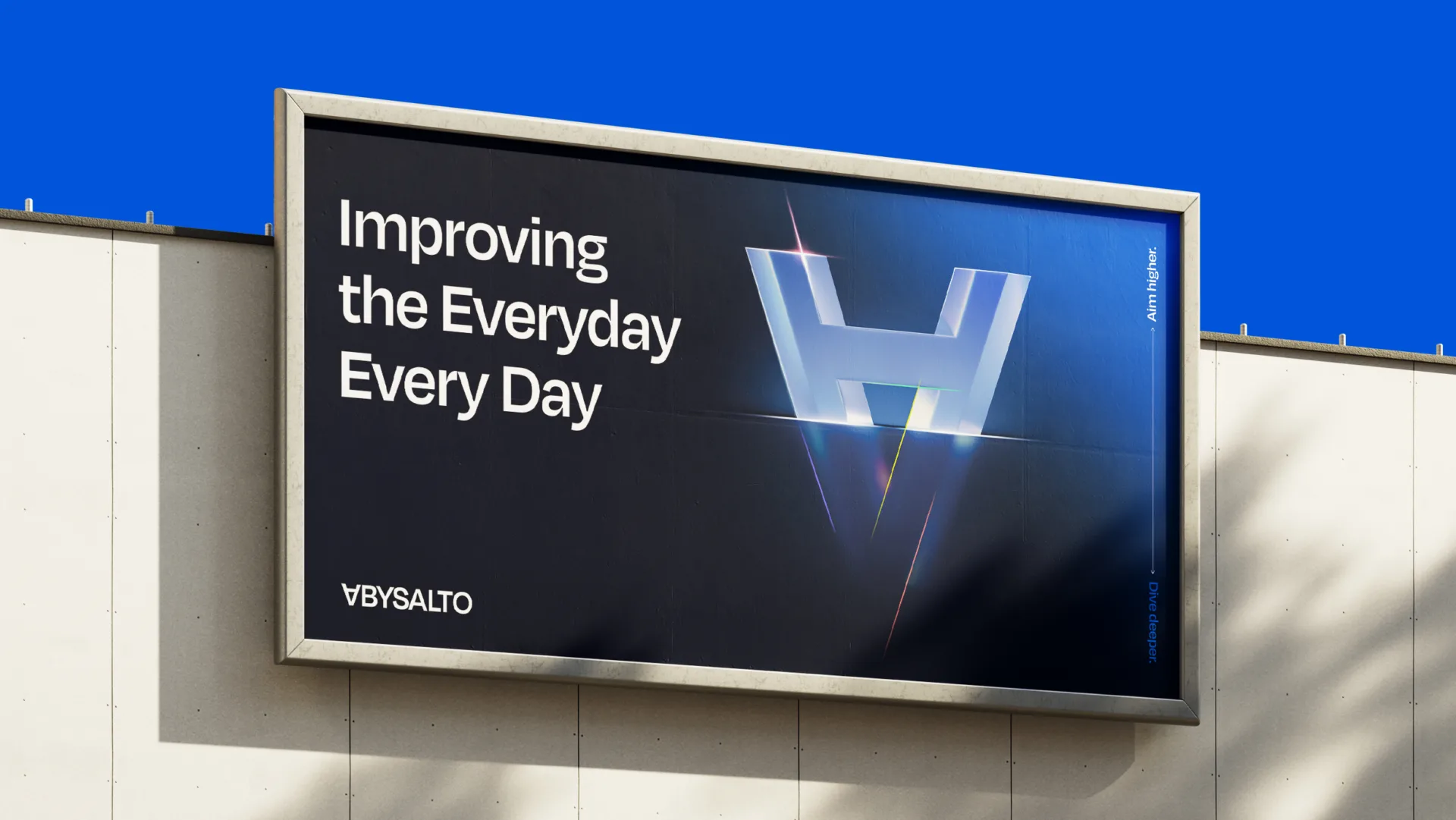
A communication strategy establishes clearly defined goals and answers the questions of what, when, and through which channels to communicate. As part of the strategy, we define communication themes and channels, tone and style of communication, key messages, and the communication plan. We also provide detailed guidelines for both online and offline communication, from websites and social media to corporate social responsibility projects and events.
Based on the brand strategy and positioning, we develop creative campaigns aimed at increasing brand recognition, generating demand and boosting sales. As part of the innovative concept, we create the campaign’s key visual and headline, along with a 360 º rollout across key online and offline communication channels. Additional formats are also proposed to reach different target audiences effectively.

